

- The monthly car payment is only one part of the real cost of owning a vehicle.
- Insurance, repairs, maintenance, fuel and loan interest can add hundreds of dollars per month.
- Longer auto loans can lower monthly payments but may increase total interest and the risk of negative equity.
- Comparing insurance quotes, refinancing a high-rate auto loan and maintaining a car properly can help reduce long-term costs.
- Drivers should be careful with dealership add-ons, extended loan terms and unnecessary upgrades.
- The best car decision is usually the one that fits your total budget, not just the one with the lowest payment.
For many Americans, owning a car is not optional. It is how they get to work, take children to school, buy groceries, visit family and manage daily life.
But in 2026, the cost of owning a car remains one of the biggest pressure points in the household budget.
The problem is not just the price of the vehicle. Drivers are also paying for insurance, financing, fuel, repairs, tires, registration, maintenance and unexpected breakdowns. Even people who already own their cars outright may still feel squeezed by rising repair bills and insurance premiums.
That is why car ownership has become a personal finance issue, not just an automotive one.
The good news is that drivers still have ways to reduce costs. The key is to stop focusing only on the monthly payment and start looking at the full cost of ownership.
The monthly payment is not the full cost
Many buyers ask one question at the dealership: “What will my monthly payment be?”
That question matters, but it is not enough.
A car with a manageable monthly payment can still become expensive once you add insurance, fuel, maintenance and repairs. A longer loan term may make the payment look affordable, but the buyer may pay more interest over time.
This is one reason car ownership can surprise people after they leave the dealership.
A realistic car budget should include:
- Monthly loan or lease payment
- Insurance premium
- Fuel or charging cost
- Oil changes and routine maintenance
- Tires
- Registration and taxes
- Parking or tolls
- Repairs
- Emergency savings for breakdowns
If a car only fits your budget when you ignore these costs, it may not truly be affordable.
Why auto insurance still hurts
Auto insurance is one of the biggest reasons car ownership feels expensive.
Premiums vary based on state, city, age, driving history, credit-based insurance score where allowed, vehicle type, coverage level and claims history. Two drivers with similar vehicles can pay very different rates depending on where they live and how insurers price risk.
Repair costs also matter. Modern vehicles include sensors, cameras, driver-assistance systems and more complex electronics. Even a small accident can be expensive if parts need recalibration or replacement.
That can push insurance costs higher over time.
Drivers should not assume their current insurer is still the cheapest option. Insurance pricing changes constantly, and loyalty does not always lead to the best rate.
Smart ways to lower car insurance costs
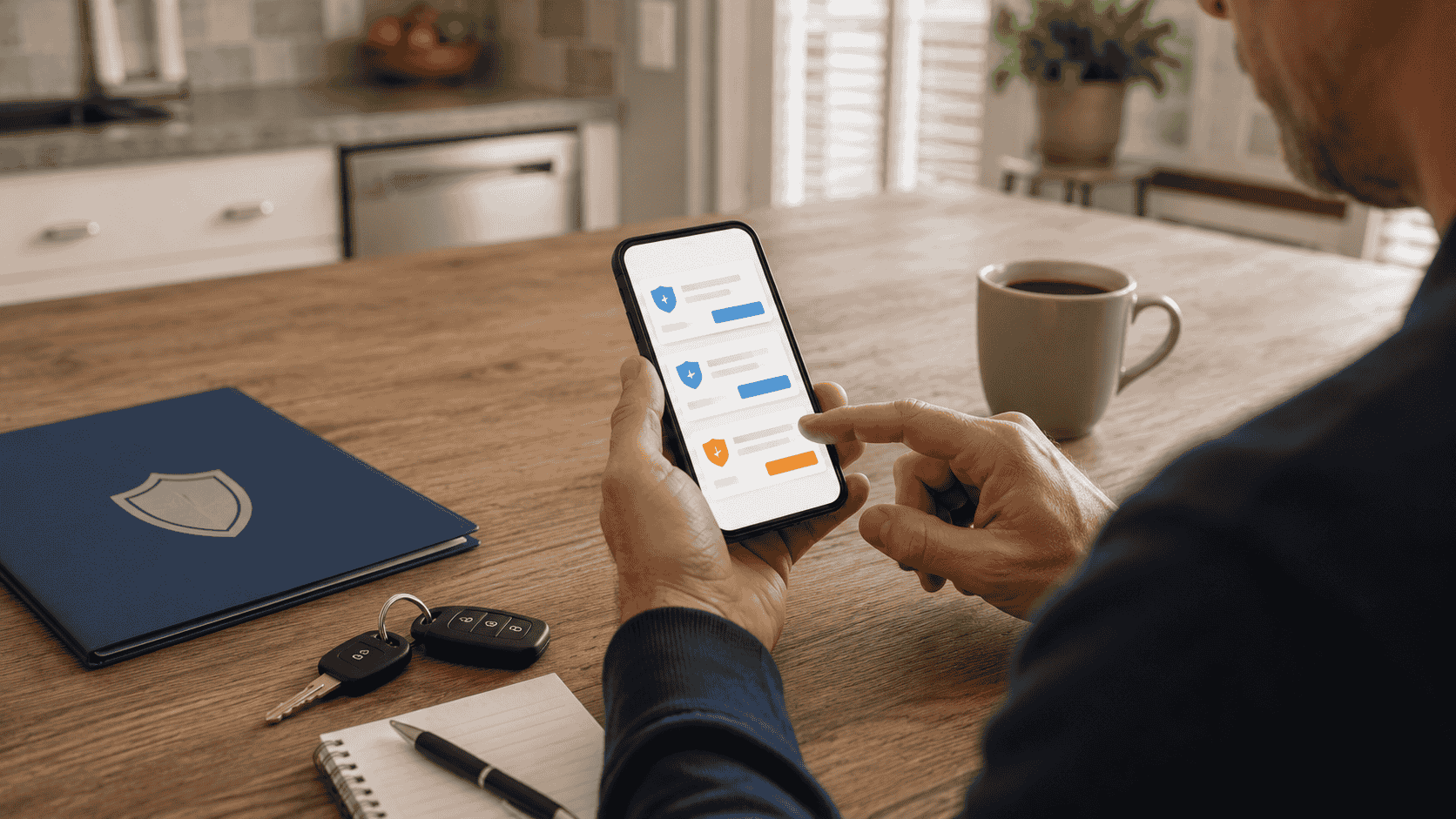
The easiest first step is to compare quotes from multiple insurers at least once or twice a year.
Drivers can also ask about discounts for:
- Bundling home and auto insurance
- Safe driving
- Low mileage
- Defensive driving courses
- Good student status
- Paying in full
- Paperless billing
- Anti-theft features
- Usage-based insurance programs
Usage-based insurance can reduce costs for some safe drivers, but it may require sharing driving data with the insurer. Before signing up, drivers should understand what data is collected, how it is used and whether risky driving could raise future premiums.
Raising a deductible can also lower the premium, but only if the driver has enough emergency savings to cover the higher out-of-pocket cost after a claim.
Auto loans are still a big problem
High vehicle prices and elevated interest rates have made auto loans more expensive for many buyers.
A lower monthly payment can be tempting, especially when car prices are high. But stretching a loan over six, seven or even eight years can create problems.
Longer loans may:
- Increase total interest paid
- Keep the borrower in debt longer
- Make it harder to sell or trade the vehicle
- Increase the risk of owing more than the car is worth
- Encourage buyers to purchase more car than they can afford
That last risk is important.
A buyer may feel comfortable with the monthly payment, but if the loan is too long, the total cost of the car can become much higher than expected.
When auto loan refinancing may help
Auto loan refinancing can make sense if your credit score has improved, your current interest rate is high or market rates are better than when you bought the car.
Refinancing may help lower:
- Monthly payment
- Interest rate
- Total interest paid
- Financial pressure on the household budget
But refinancing is not always the right move.
Drivers should check for fees, loan-term changes and whether a lower payment comes from a longer repayment period rather than a truly better deal. A refinance that lowers the payment but extends the loan too far may cost more in the long run.
The best refinance option usually improves the interest rate without trapping the borrower in a much longer loan.
Repairs and maintenance are getting more complicated
Cars are more advanced than ever.
That can make driving safer and more convenient, but it can also make repairs more expensive. Sensors, cameras, infotainment systems, hybrid components, advanced driver-assistance systems and software features may require specialized tools and diagnostics.
Even routine maintenance can become expensive if ignored.
Small problems often become bigger problems when drivers delay service. A skipped oil change, worn tire, weak battery or neglected brake issue can turn into a much larger repair later.
A smart maintenance plan can help drivers avoid surprise costs.
Smart maintenance tools worth considering
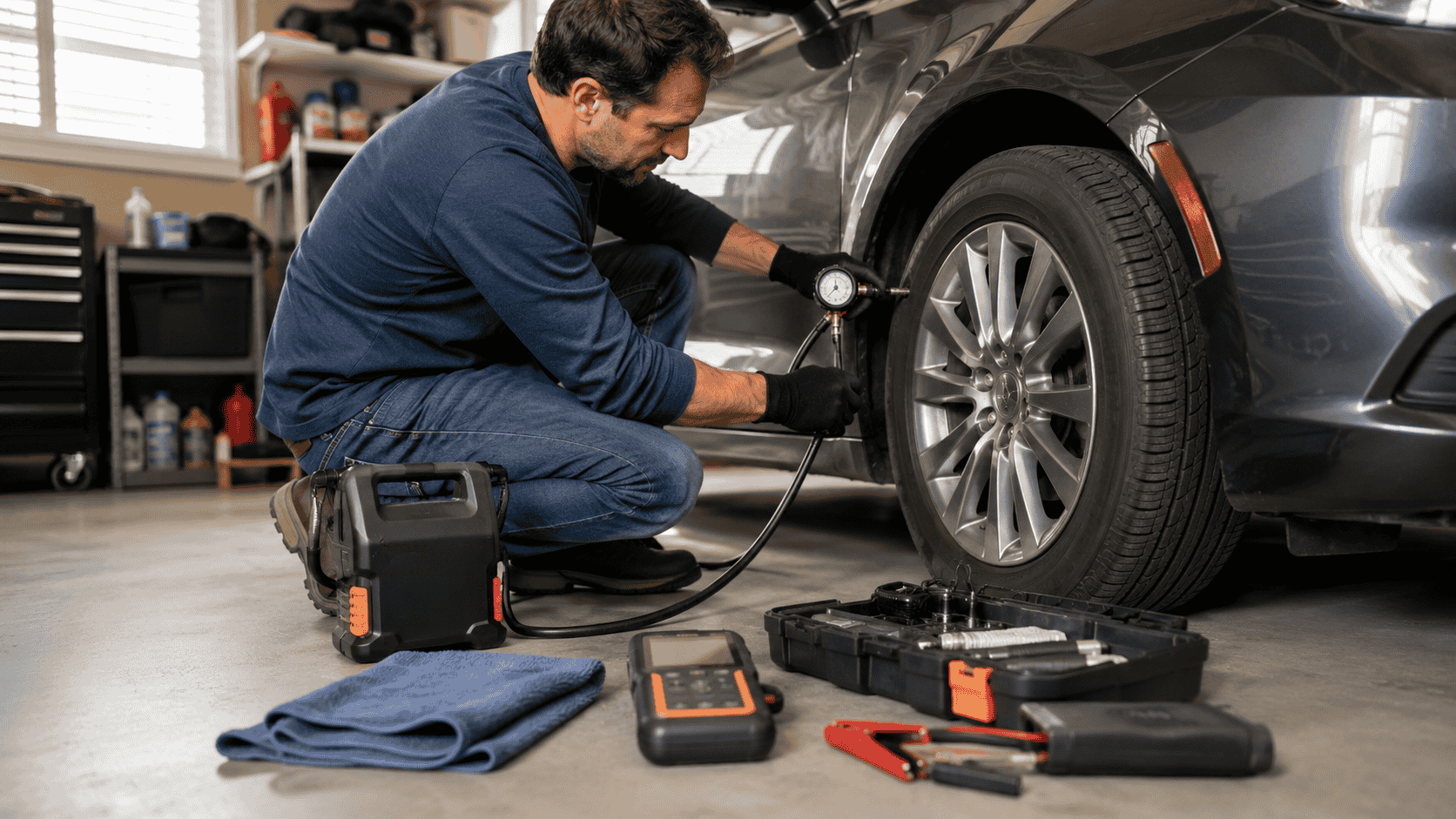
Drivers do not need to become mechanics, but a few simple tools can help.
Useful car-care products include:
- Tire pressure gauge
- Portable tire inflator
- Basic emergency roadside kit
- Jump starter battery pack
- OBD2 scanner
- Windshield repair kit
- Phone mount
- Dash cam
- Maintenance tracking app
These are natural affiliate products because they solve real problems for drivers.
A tire inflator can help with low tire pressure. An OBD2 scanner can help identify check-engine-light issues before visiting a repair shop. A dash cam can help document accidents or road incidents. A jump starter can prevent a dead battery from becoming a long roadside delay.
The key is to recommend practical products, not random accessories.
Dash cams are becoming more practical
Dash cams are one of the most useful car accessories for everyday drivers.
They can record traffic incidents, parking-lot damage, hit-and-run events and insurance-related disputes. Some models include front and rear cameras, night vision, parking mode and app-based video storage.
A dash cam does not guarantee lower insurance premiums. Discounts depend on the insurer and state. But a dash cam can still be valuable because it may provide evidence after an accident.
When choosing a dash cam, look for:
- Clear video quality
- Wide viewing angle
- Reliable night recording
- Loop recording
- Heat resistance
- Easy installation
- Parking mode if needed
- Front and rear camera options
- Simple app access
- No unnecessary subscription lock-in
For most drivers, reliability matters more than fancy features.
Be careful with extended warranties
Extended warranties and vehicle service contracts can be useful in some situations, but they are not automatically worth the cost.
Before buying one, drivers should ask:
- What exactly is covered?
- What is excluded?
- Is there a deductible?
- Can repairs be done at any licensed shop?
- Is the provider reputable?
- Can the contract be canceled?
- How does the cost compare with likely repair expenses?
- Is the car already covered by a factory warranty?
Some drivers may benefit from extra protection, especially if they own a vehicle known for expensive repairs. Others may be better off building a repair fund.
The worst choice is buying an expensive warranty under pressure without reading the terms.
Used cars can save money—but only if chosen carefully
Buying used can reduce depreciation, but not every used car is a good deal.
A cheaper used vehicle may become expensive if it needs major repairs soon after purchase. A good used-car decision should include research on reliability, maintenance history, accident history and ownership costs.
Before buying a used car, consider:
- Vehicle history report
- Pre-purchase inspection
- Maintenance records
- Tire condition
- Brake condition
- Recall status
- Insurance quote before purchase
- Expected repair costs
- Fuel economy
- Total out-the-door price
Never judge affordability by the sale price alone.
A reliable used car with reasonable insurance and low maintenance costs may be better than a cheaper car that constantly needs repairs.
Dealership fees and add-ons can change the real price
Another hidden cost comes from dealer fees and add-ons.
Some buyers focus on the advertised price but discover extra charges later. These may include documentation fees, reconditioning fees, paint protection, nitrogen tires, anti-theft products, extended warranties or service packages.
Some fees are legitimate. Others may be negotiable or unnecessary.
Before agreeing to a deal, ask for the full out-the-door price in writing. That number should include taxes, title, registration, fees and any add-ons.
If a dealer refuses to provide a clear total price, that is a warning sign.

A simple car cost checklist
Before buying, refinancing or renewing insurance, use this checklist:
- Get at least three insurance quotes.
- Check the total monthly car cost, not just the payment.
- Compare loan offers before visiting a dealership.
- Avoid loan terms that are longer than necessary.
- Ask for the full out-the-door price.
- Research maintenance and repair costs by model.
- Get a pre-purchase inspection for used cars.
- Keep emergency savings for repairs.
- Consider practical tools like a dash cam, tire inflator and jump starter.
- Review insurance coverage every year.
This checklist can help drivers avoid the most common car-cost mistakes.
Where affiliate offers fit naturally
For a website, car-related affiliate content can work well when it solves real problems.
Good affiliate categories include:
- Auto insurance comparison tools
- Auto loan refinancing platforms
- Vehicle history reports
- Dash cams
- OBD2 scanners
- Portable tire inflators
- Jump starters
- Roadside assistance plans
- Maintenance tracking apps
- Extended warranty comparison services
- Car-buying research tools
The best approach is to build helpful guides first, then add affiliate links where they make sense.
For example, an article about lowering insurance costs can link to quote comparison tools. A maintenance article can link to practical car-care products. A used-car buying guide can link to vehicle history reports and inspection checklists.
Final thoughts
Owning a car in America is still expensive in 2026, but drivers are not powerless.
The biggest mistake is focusing only on the monthly payment. The real cost includes insurance, fuel, maintenance, repairs, financing, fees and future risk.
Drivers can lower costs by comparing insurance quotes, avoiding unnecessary add-ons, choosing shorter and smarter loan terms, maintaining their vehicles properly and using practical tools that prevent small problems from becoming expensive ones.
A car should make life easier, not quietly drain the household budget.
The smartest drivers are not always the ones who buy the cheapest car. They are the ones who understand the full cost before they sign.
Compare auto insurance quotes, check refinancing options and review practical car-care tools before your next renewal, repair or vehicle purchase.
Sources
Editor’s note
This article is for general educational purposes only and does not constitute financial, insurance, legal or automotive advice. Insurance rates, loan terms and product features can change quickly. Always review current terms before applying for coverage, refinancing or buying a product.